Japanese Ramen Broth Recipes
Highlighted under: Comfort Food Moments
Experience the rich and comforting flavors of homemade Japanese ramen with these flavorful broth recipes. From creamy tonkotsu to aromatic shoyu, each recipe offers a unique taste that can elevate your ramen experience. Perfect for soup lovers, these broths are the base for unforgettable bowls of ramen. Dive into the world of umami and discover how easy it is to create restaurant-quality ramen at home!
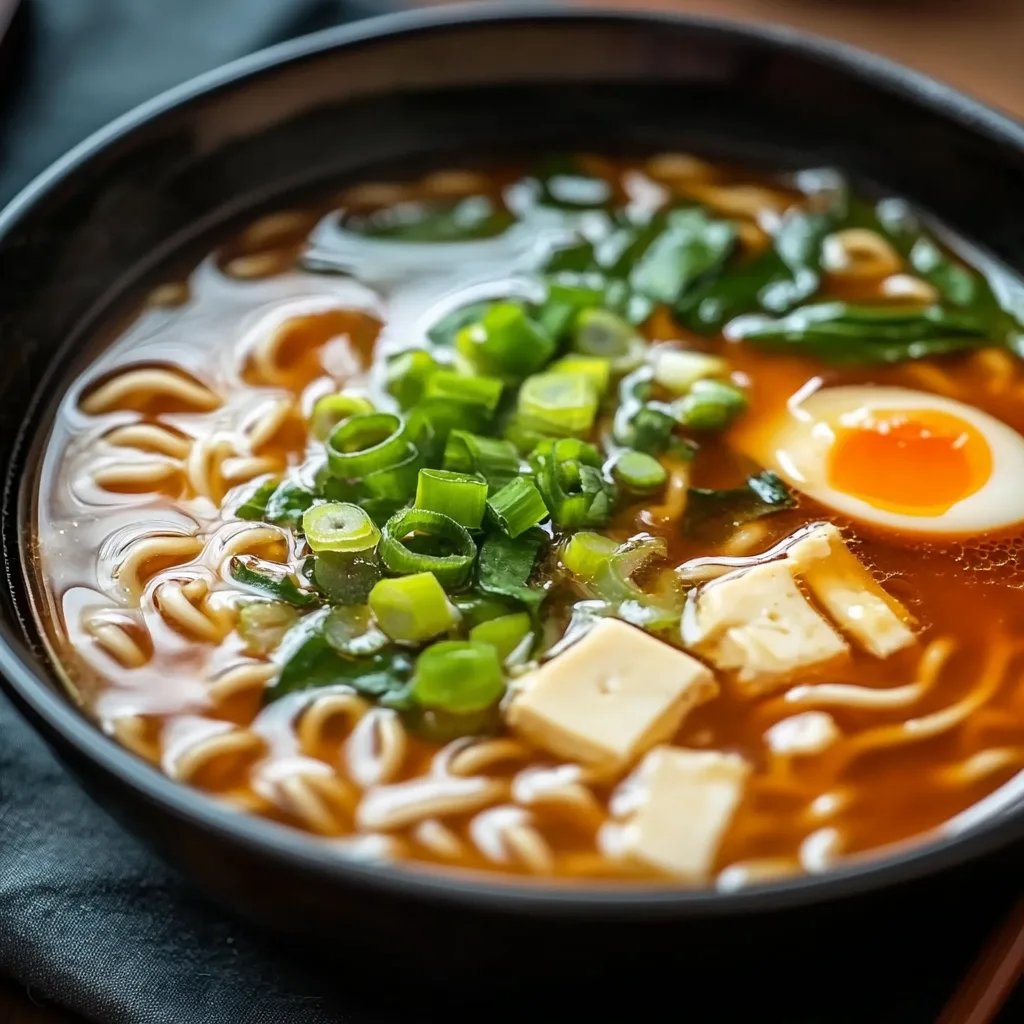
Understanding Ramen Broths
Ramen broth is the heart and soul of this beloved Japanese dish. It sets the foundation for flavor, aroma, and overall experience. Understanding different types of broths will enhance your ability to create the perfect bowl of ramen tailored to your taste. From a rich, creamy tonkotsu to a savory and light shoyu, each broth showcases unique ingredients that bring out the umami essence of ramen.
The beauty of ramen lies in its adaptability; you can customize your broth based on personal preferences or dietary restrictions. Whether you prefer a meat-based broth or a vegetable option, the preparation process remains similar. Mastering these techniques allows you to explore countless variations and develops your skills as a home cook invested in Asian cuisines.
Tips for Perfecting Your Broth
Achieving the ideal ramen broth requires attention to detail and patience. Start by thoroughly washing the bones to remove impurities, which can affect the clarity and flavor of your soup. For tonkotsu, boiling the bones initially helps to render out scum and fat. Always ensure you have enough water to cover the bones during the simmering phase, as evaporation is a natural part of the cooking process.
Moreover, don't hesitate to adjust the seasoning. Adding a splash of soy sauce or a hint of mirin can elevate the flavor profile of your broth. Taste as you go! Remember, the secret is in the simmering time. The long, slow cooking of the bones and aromatics unlocks deep flavors that are characteristic of authentic ramen.
Pairing Your Ramen Broth
Creating the perfect ramen goes beyond just preparing the broth; pairing it with the right toppings completes the dish. For tonkotsu broth, consider adding chashu pork, soft-boiled eggs, and green onions. This combination not only enhances the flavor but also adds various textures to your bowl.
On the other hand, shoyu broth pairs beautifully with lighter toppings like bamboo shoots, seaweed, and a sprinkle of sesame seeds. These ingredients complement the salty notes of shoyu and create a harmonious dining experience. Experiment with different combinations to find your favorite signature bowl of ramen.
Ingredients
Tonkotsu Broth
- Pork bones
- Water
- Aromatics (garlic, ginger, onion)
- Soy sauce
- Mirin
Shoyu Broth
- Chicken bones
- Water
- Soy sauce
- Aromatics (garlic, scallions, ginger)
- Kombu
Gather all the ingredients to create a rich broth.
Preparation Steps
Making Tonkotsu Broth
1. In a large pot, add the pork bones and water. Bring to a boil.
2. After boiling, drain and rinse the bones.
3. Add fresh water and aromatics, then simmer for hours until rich and creamy.
Making Shoyu Broth
1. In a separate pot, combine chicken bones and water. Bring to a boil.
2. Add soy sauce and aromatics, simmer to let flavors meld.
Once your broth is ready, strain and use it as the base for your ramen.
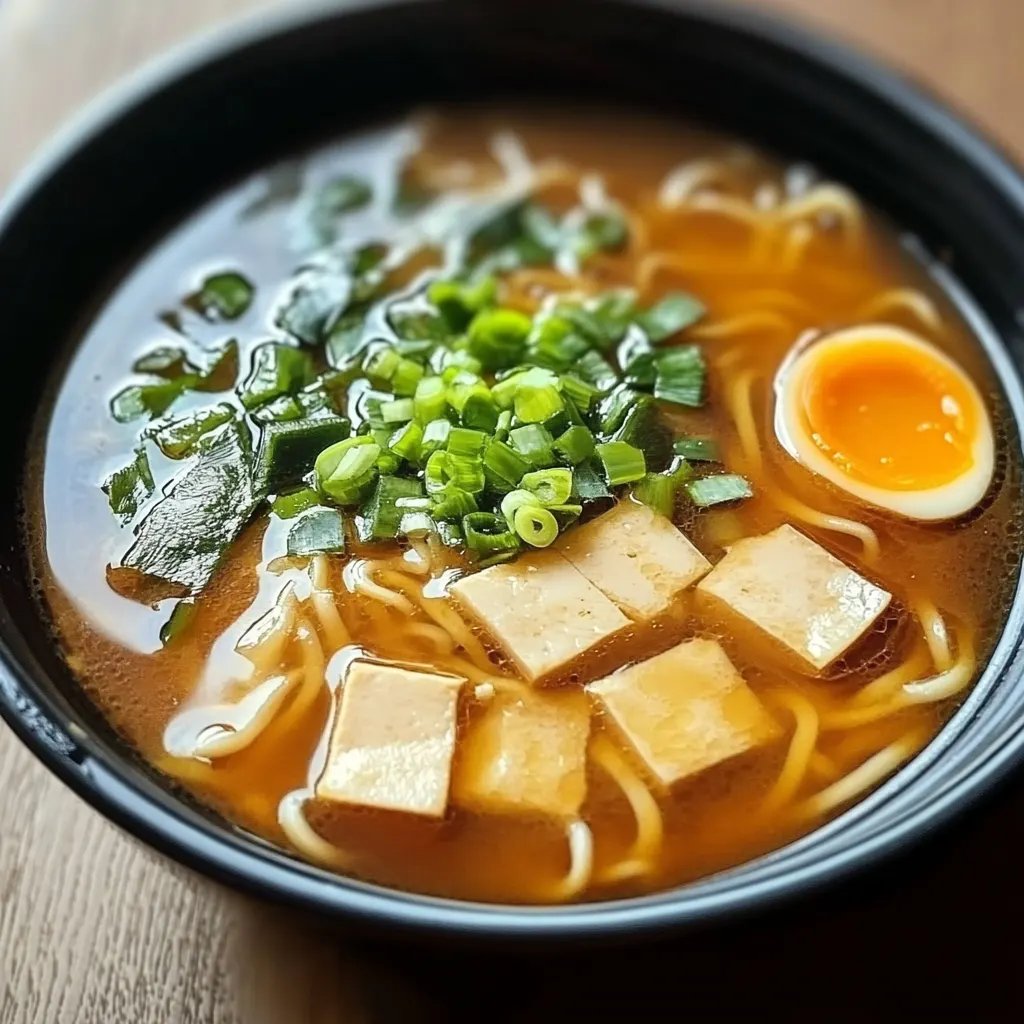
Pro Tips
For extra flavor, try adding various toppings such as soft-boiled eggs, sliced green onions, or nori.
Health Benefits of Ramen Broth
Ramen broth, especially when made from bones, is packed with nutrients. Collagen, found in pork and chicken bones, not only enhances the texture but also promotes healthy skin and joints. The simmering process extracts minerals such as calcium and magnesium, making your broth nutrient-rich and beneficial for your health.
Additionally, homemade broth allows you to control the quality of ingredients. You can avoid preservatives and unhealthy additives found in store-bought options. By using fresh aromatics like garlic and ginger and sourcing high-quality bones, you not only nourish your body but also elevate the overall flavor of your ramen.
Storing and Reheating Broth
Proper storage ensures that your homemade ramen broth remains delicious and safe to consume. Allow your broth to cool to room temperature before transferring it to airtight containers. It can be stored in the refrigerator for up to five days or frozen for several months. Portioning broth into smaller containers will make it easier to thaw and reheat as needed.
When reheating, do so gently on the stove. Bring the broth to a simmer over medium heat, stirring occasionally. Avoid boiling as it can make the broth cloudy and affect the flavor. With careful storage and reheating, you'll always have a rich, flavorful base ready for your next ramen creation.
Questions About Recipes
→ Can I use vegetable broth?
Yes, you can substitute with vegetable broth, but the flavor will differ significantly.
→ How long can I store the broth?
You can store the broth in the refrigerator for up to a week or freeze it for longer storage.
Japanese Ramen Broth Recipes
Created by: Clara Jennings
Recipe Type: Comfort Food Moments
What You'll Need
Tonkotsu Broth
- Pork bones
- Water
- Aromatics (garlic, ginger, onion)
- Soy sauce
- Mirin
Shoyu Broth
- Chicken bones
- Water
- Soy sauce
- Aromatics (garlic, scallions, ginger)
- Kombu
How-To Steps
1. In a large pot, add the pork bones and water. Bring to a boil.
2. After boiling, drain and rinse the bones.
3. Add fresh water and aromatics, then simmer for hours until rich and creamy.
1. In a separate pot, combine chicken bones and water. Bring to a boil.
2. Add soy sauce and aromatics, simmer to let flavors meld.
Extra Tips
For extra flavor, try adding various toppings such as soft-boiled eggs, sliced green onions, or nori.
Nutritional Breakdown (Per Serving)
- Calories per serving: Variable based on ingredients and portion size